Summer is the perfect time to enjoy your garden. Whether you’re preparing an outdoor entertainment area for weekend braais, keeping your lawn in shape or making sure your plants survive the warmer months, a little regular maintenance goes a long way.
But summer gardening isn’t only about keeping everything green. With hotter days, less predictable rainfall and water restrictions to consider, it’s important to look after your outdoor space without using more water than necessary.
This summer garden maintenance checklist covers the jobs worth adding to your routine, along with practical ways to save water while keeping your garden in good condition.
1. Give your lawn some attention
Longer days and warmer weather can encourage grass to grow, but the summer heat can also leave lawns looking dry and patchy.
Add these tasks to your summer garden maintenance checklist:
- Mow regularly, but avoid cutting the grass too short.
- Remove weeds before they spread.
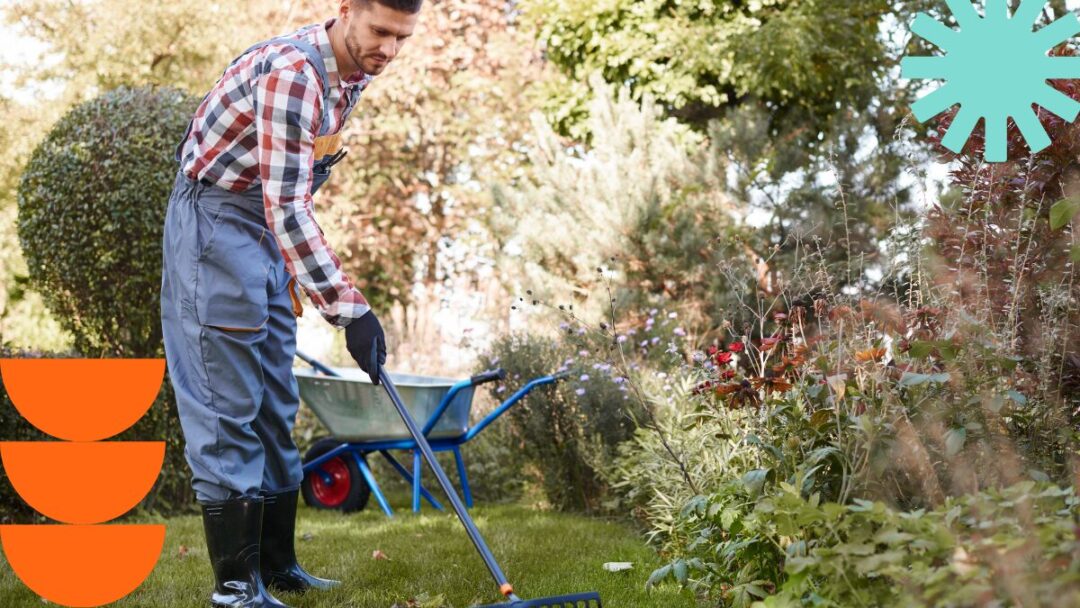
- Rake up fallen leaves and garden debris.
- Check for dry or damaged patches that may need attention.
- Keep lawn edges neat and tidy.
One way to make your lawn more resilient is to leave the grass slightly longer. Taller grass provides shade for the soil, helping it retain moisture and reducing the need for frequent watering.
2. Prune plants and remove dead growth
Summer is a good time to keep an eye on overgrown plants, especially if branches are blocking pathways or garden spaces.
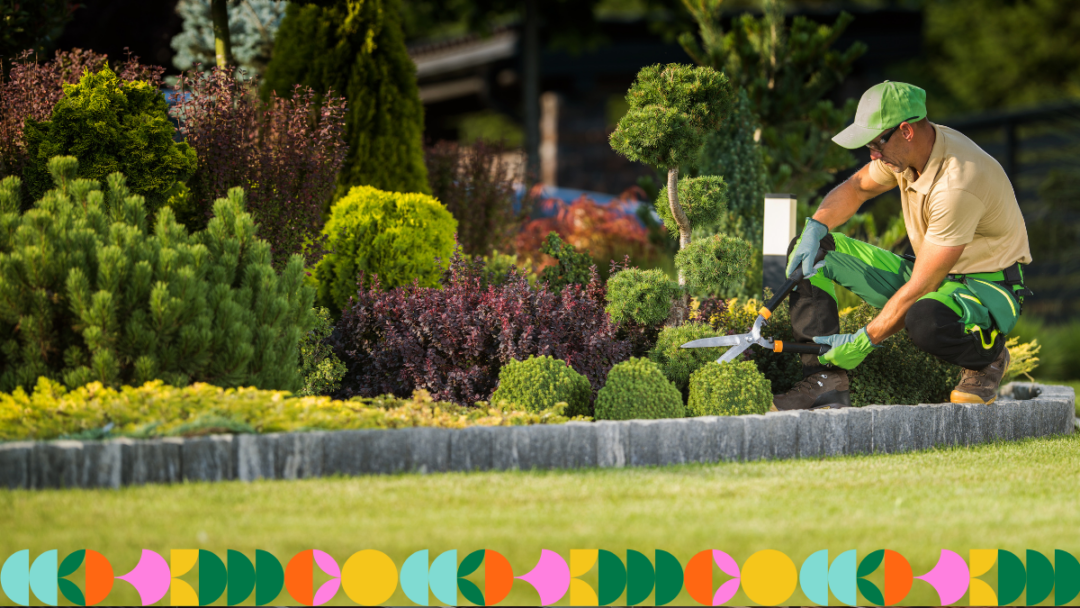
Remove dead flowers, damaged leaves and unhealthy growth to keep plants looking neat. Trim hedges and shrubs where necessary, but avoid heavy pruning during particularly hot periods, as this can put additional stress on plants.
Check climbing plants and creepers, too. Secure loose growth and trim anything that is spreading into walkways, outdoor seating areas or other plants.
3. Keep weeds under control
Weeds compete with your plants for water, sunlight and nutrients. If left alone, they can quickly take over garden beds during the warmer months.
Pull weeds out by their roots where possible, ideally after rainfall or when the soil is slightly damp. This makes them easier to remove. Check between paving stones, along garden borders and around trees, where weeds can easily go unnoticed.
A regular few minutes spent weeding can save you from having to tackle an overgrown garden later.
4. Add mulch to garden beds
Mulching is one of the simplest ways to make your garden more water-wise during summer.
A layer of organic mulch, such as bark chips, compost or dried leaves, helps the soil retain moisture by reducing evaporation. It also helps regulate soil temperature and can limit weed growth.
Spread mulch around plants and across garden beds, leaving a little space around the base of stems and tree trunks. This allows air to circulate and helps prevent moisture from sitting directly against the plant.
Mulching is particularly useful during hot spells when garden beds can dry out quickly.
5. Check your irrigation system for leaks
If your garden has an irrigation system, inspect it before the summer season gets busy.
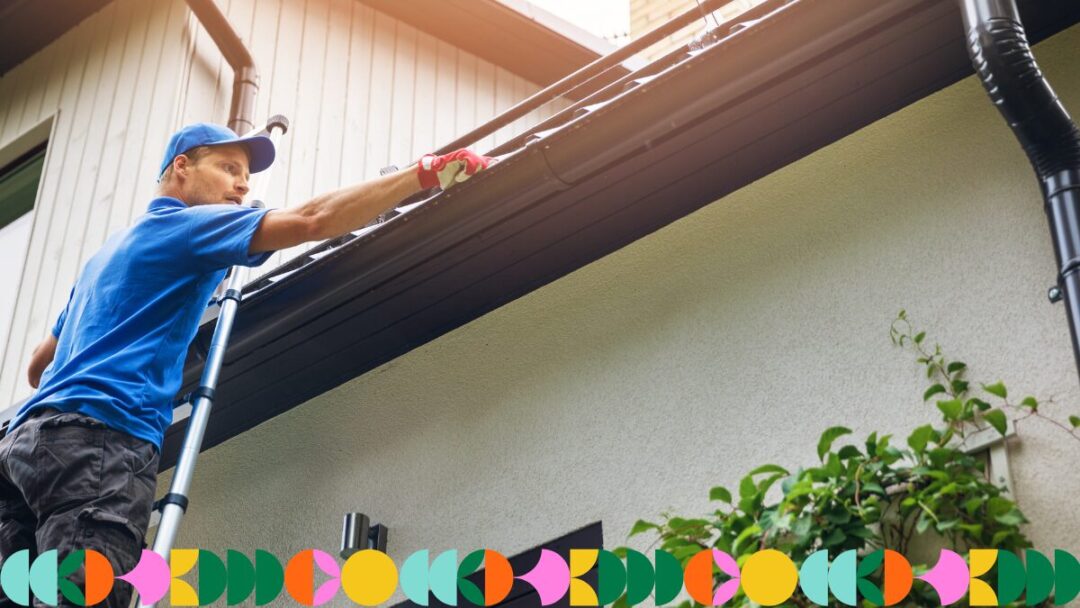
Look for leaking pipes, damaged sprinkler heads, blocked drip lines and areas where water is pooling unnecessarily. A small leak can waste a surprising amount of water over time.
You can also make your watering system more efficient by:
- Using drip irrigation to direct water towards plant roots.
- Adjusting sprinklers so they water garden beds rather than pathways.
- Installing a rain sensor or timer where appropriate.
- Watering deeply rather than giving plants frequent, shallow watering.
- Grouping plants with similar watering needs together.
If you use a hosepipe, make sure it has a trigger nozzle so you can control the flow of water.
6. Water your garden wisely and follow local restrictions
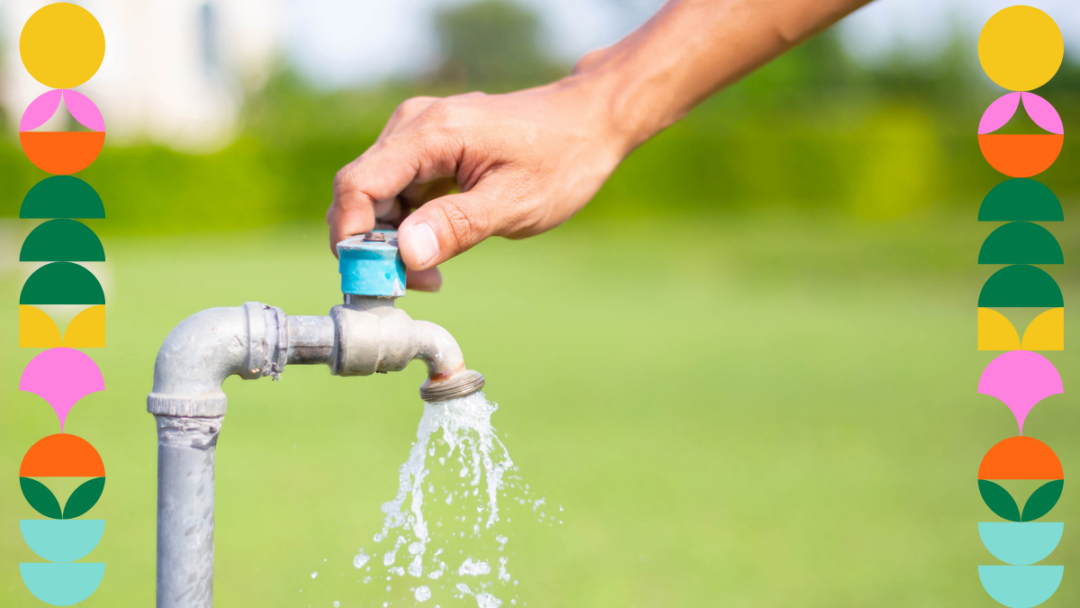
Keeping your garden healthy during summer doesn’t mean watering it every day. In fact, when temperatures rise, watering at the wrong time can result in a lot of water being lost through evaporation.
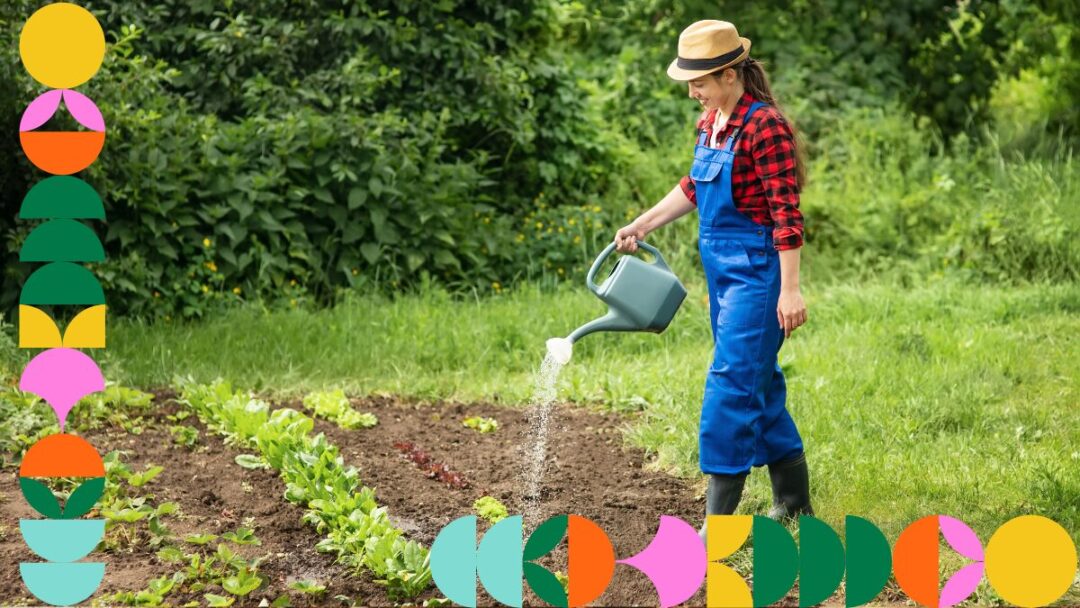
Water early in the morning or later in the evening when temperatures are cooler. Direct water towards the soil around plant roots instead of spraying leaves and surrounding surfaces.
For Cape Town residents, water-wise gardening is particularly important this summer. The City of Cape Town has announced that Level 1 water restrictions will come into effect on 1 December 2026. Residents, visitors and businesses are also being asked to use at least 10% less water.
Under Level 1 restrictions, municipal drinking water may be used for garden watering on Tuesdays and Saturdays only, before 09:00 or after 18:00. Sprinklers, handheld hosepipes fitted with trigger nozzles, drip irrigation, buckets and watering cans are subject to a maximum of one hour of garden watering per day.
Keep these guidelines in mind:
- Plan your garden watering around the permitted days and times.
- Use a watering can or bucket where practical.
- Avoid watering during the hottest part of the day.
- Check the soil before watering to avoid unnecessary use.
- Never hose down paved areas, driveways or other hard surfaces with municipal drinking water.
- Fix leaking taps, pipes and irrigation equipment as soon as possible.
These restrictions apply to municipal drinking water. Always check the latest City of Cape Town guidelines for updates and details.
7. Collect rainwater and reuse water where possible
You can make your garden more water-efficient by finding ways to reuse water around your property.
Consider installing a rainwater tank to collect water from your roof. You can use the stored water for suitable garden tasks, reducing your reliance on municipal drinking water.
Other options include:
- Reusing suitable household greywater for appropriate garden areas, provided it is handled safely and in line with local regulations.
- Collecting water in a bucket while waiting for the shower to warm up.
- Using leftover water from rinsing vegetables to water suitable plants, provided it doesn’t contain salt, oil or cleaning products.
Avoid using water that contains detergents, bleach or other chemicals on your plants. If you’re unsure whether water is suitable for reuse, rather use a different source.
8. Look after your garden tools and outdoor equipment
Garden maintenance is easier when your tools are clean, safe and ready to use.
Before the summer season gets into full swing, check your equipment and give everything a little attention.
- Clean and sharpen pruning shears.
- Check lawnmowers and other gardening equipment.
- Remove rust from metal tools.
- Replace damaged handles or loose parts.
- Store tools somewhere dry and secure.
- Check outdoor taps and hose connections for leaks.
It’s also worth inspecting garden furniture, umbrellas and outdoor lighting. Clean cushions, wipe down tables and chairs, and make sure everything is ready for guests to enjoy.
9. Tidy pathways, patios and entertainment areas
Your garden isn’t just about plants and lawns. Outdoor spaces often become an extension of the home during summer, particularly when you’re hosting friends and family.
Sweep pathways, remove fallen leaves and clear away garden debris. Wipe down outdoor furniture, clean the braai area and check that patios and entertainment spaces are ready to use.
Remember that Cape Town’s water restrictions prohibit hosing down paved areas and hard surfaces with municipal drinking water. Use a broom, brush or damp cloth to clean these areas instead.
If you have a swimming pool, make sure it is maintained properly and keep it covered when not in use to reduce evaporation.
10. Check your garden for pests and plant problems
Hot weather can bring an increase in certain garden pests, so keep an eye on your plants throughout summer.
Look out for yellowing leaves, unusual spots, damaged stems and signs of insects. Check underneath leaves and around the base of plants, where pests can be harder to spot.
Remove affected leaves where appropriate and deal with infestations before they spread. If you’re unsure what’s causing a plant problem, ask a garden centre or gardening professional for advice before applying treatments.
Regular inspections can help you catch problems early without having to replace entire plants or garden beds.
Your summer garden maintenance checklist
Use this quick checklist to keep track of the jobs that need attention throughout the season.
- Mow the lawn and tidy the edges.
- Remove weeds from garden beds and pathways.
- Prune dead or damaged plant growth.
- Add mulch to help retain soil moisture.
- Inspect irrigation systems and repair leaks.
- Water plants according to local restrictions.
- Collect rainwater or reuse suitable household water.
- Clean and maintain garden tools.
- Sweep pathways and tidy outdoor entertainment areas.
- Check outdoor furniture, braai equipment and lighting.
- Inspect plants for pests and disease.
- Cover the swimming pool when it’s not in use.
Enjoy a well-maintained garden without doing everything yourself
A garden that’s ready for summer doesn’t happen overnight. Regular upkeep, sensible watering and a little planning can make a big difference to how your outdoor space looks and feels throughout the season.
If your garden needs more attention than you have time for, Sweepsouth’s Outdoor services can help with tasks such as gardening, lawn care and general outdoor upkeep. You can also arrange help with cleaning patios and entertainment areas, so your outdoor space is ready for summer gatherings.
Get your garden in shape, use water wisely and make more time to enjoy the summer.
ALSO SEE: 8 ECO-FRIENDLY GARDENING TIPS FOR WORLD WATER DAY